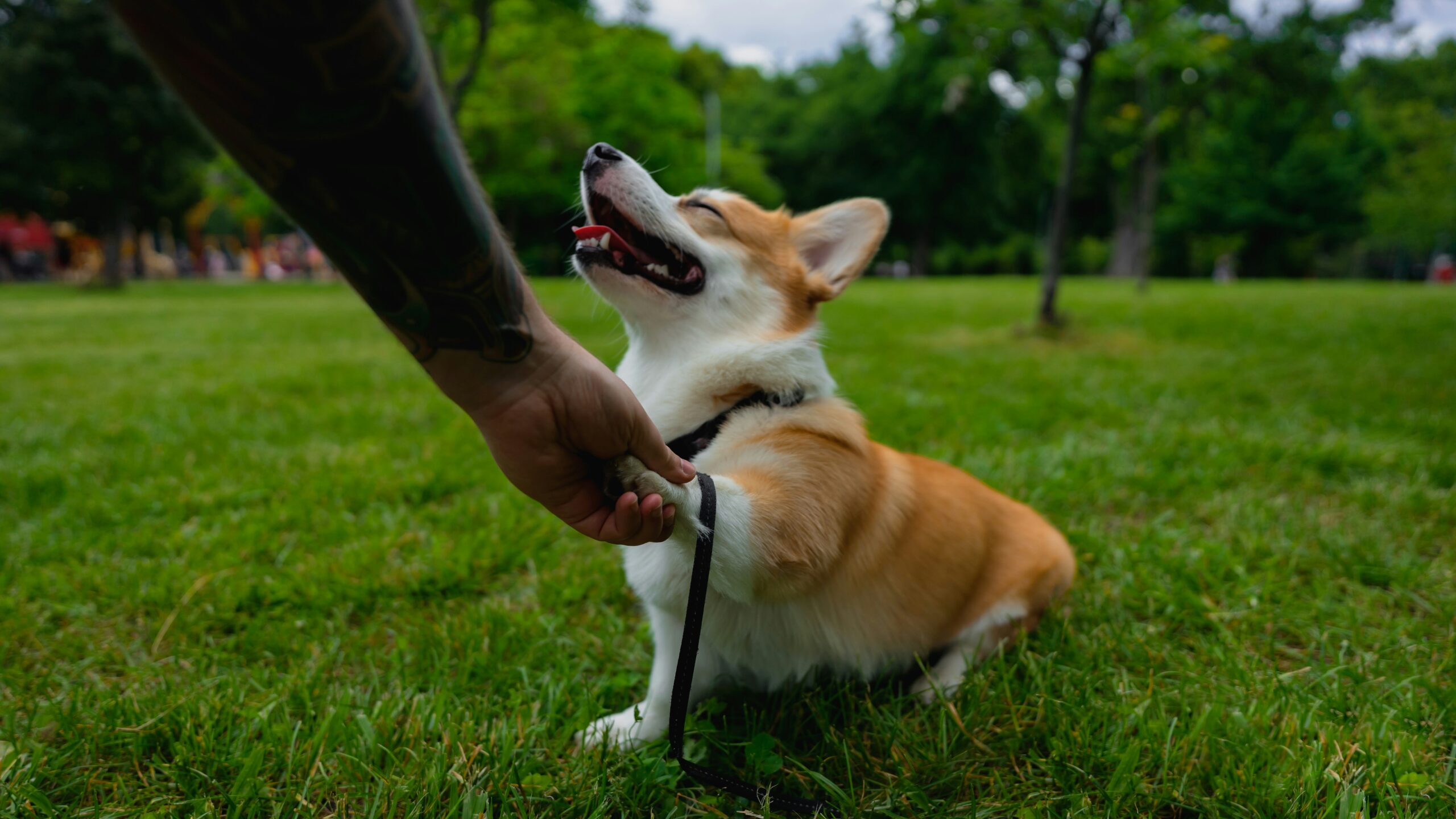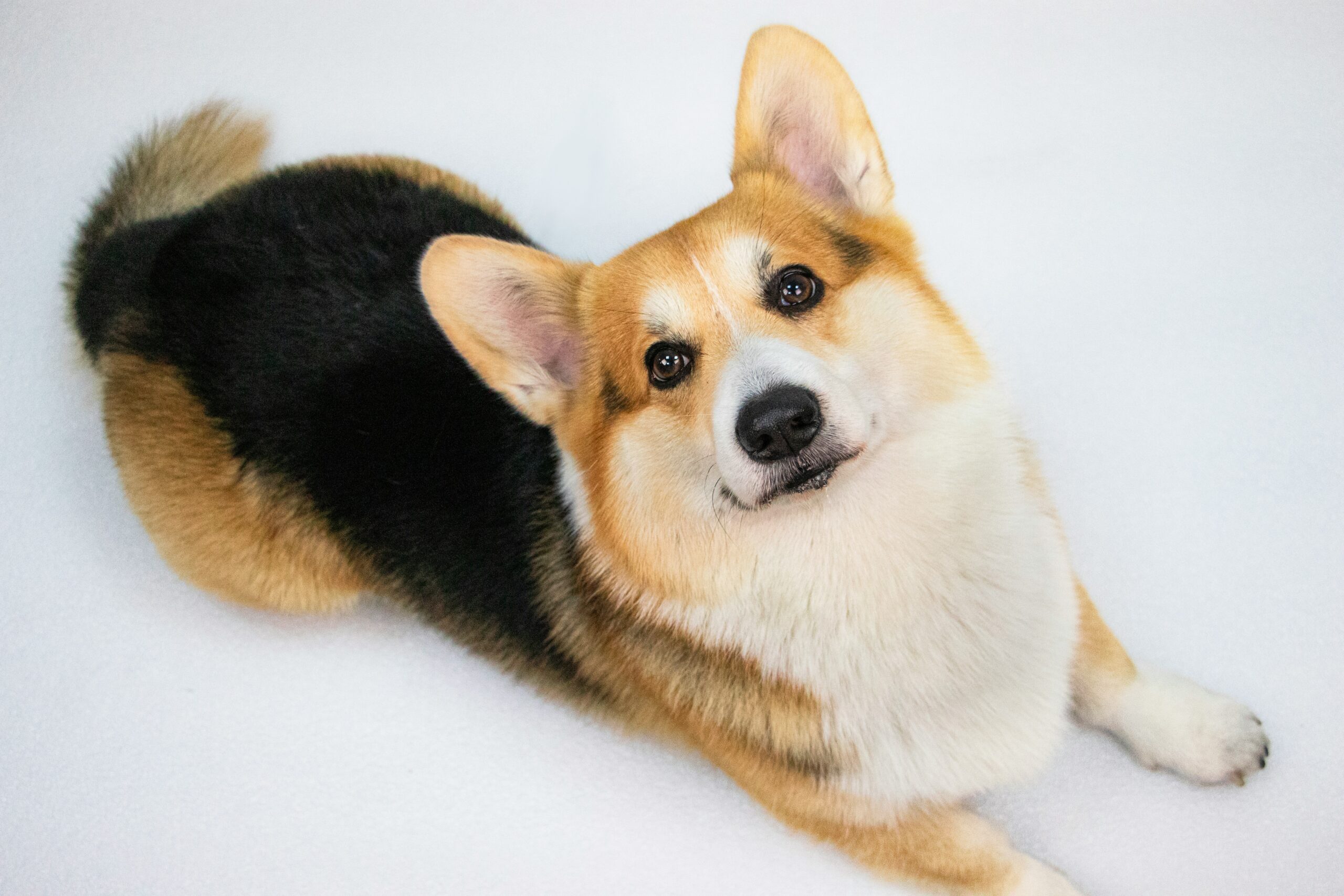
There’s nothing more rewarding than sharing your life with a well-trained canine companion. Achieving this takes time, patience, and consistency — but the results are well worth the effort. Whether your Corgi is a playful puppy or a more mature dog, obedience training strengthens your bond, builds trust, and fosters clear communication. The result is a happy, confident dog who is a joy to live with at home, out in public, and everywhere in between.
✨ Why Corgis Excel in Obedience
Corgis are intelligent, eager, and quick learners, making them ideal obedience dogs. Their strong work ethic and natural focus, combined with their cheeky personalities, mean they can shine in the ring while still keeping handlers on their toes.
The day your puppy or older dog joins your household is the day learning begins. From the start, your dog will be picking up the rules of family life and the expectations you set. This journey often begins with Puppy Preschool at your local vet clinic (usually from 8–12 weeks), followed by structured classes at your local dog training club once vaccinations are complete (around 12–16 weeks).
Corgis are intelligent, eager to please, and quick to learn — but they can also be independent thinkers. Obedience gives them a positive outlet for their energy and clever minds, while strengthening their relationship with you.
Training begins the day your Corgi comes home. Puppies need to learn the rules of family life, while also experiencing the world — sights, sounds, and people — in a safe and positive way.
Puppy Preschool (8–12 weeks): Often run by vet clinics, these classes focus on socialisation, confidence, and basic skills.
Local Training Clubs (12–16 weeks onwards): Once your puppy has had final vaccinations, you can join a DOGS NSW-affiliated obedience club. Qualified instructors will guide you in teaching your Corgi to:
Walk calmly on a lead without pulling
Sit, drop, stand, and stay on command
Respond to voice and hand signals
Come when called (a lifesaving skill)
As you and your Corgi progress, you’ll move through classes that build on existing skills, increasing confidence and teamwork along the way.
At training clubs, experienced instructors guide you in teaching your dog the essentials: walking politely on lead, sit, drop, stay, stand, and the all-important recall. As you and your Corgi gain confidence, you’ll build on these foundations, moving through classes and developing the teamwork needed for more advanced skills.
Some owners choose to keep obedience purely as part of daily life, while others discover the fun of Obedience Trialling, where dogs and handlers test their skills in competition.
For those who want to take training further, Obedience Trialling offers a structured sport where dogs are tested on their precision, reliability, and partnership with their handler. Exercises range from simple heeling and recalls to advanced challenges like retrieving, scent work, and long out-of-sight stays. Titles are awarded at each level — from Community Companion Dog (CCD) through to Utility Dog Excellent (UDX).
There are five levels of Obedience in Australia, plus Rally Obedience, each with its own rules and challenges:
CCD – Community Companion Dog
CD – Companion Dog
CDX – Companion Dog Excellent
UD – Utility Dog
UDX – Utility Dog Excellent
Each level builds on the previous one, progressing from relatively simple tasks to advanced exercises such as scent discrimination, seek-backs, retrieves over jumps, and long stays out of sight.
To earn a title, a dog must achieve three qualifying passes at that level. Most levels require at least 170 points out of 200, with all exercises completed successfully. CCD, the entry class, requires a pass of 85 points out of 100.
All classes and rules are fully explained in the Obedience and Rally Obedience Rule Books, available from DOGS NSW.
In competition, the exercises are practical and based on real-life scenarios that highlight the usefulness of a well-trained dog — from reliable recalls to precise stays and attentive heelwork. Trials are as much about teamwork and connection as they are about precision, and there is no greater feeling than seeing your Corgi perform with both enthusiasm and accuracy.
Trialling isn’t just about competition; it’s about celebrating the bond you’ve built and enjoying the satisfaction of working in harmony with your dog.
You may also explore Rally Obedience (Rally-O), a sister sport that adds variety and a more fast-paced style to the world of obedience.

 For full rules and regulations, please see the Dogs NSW website.