
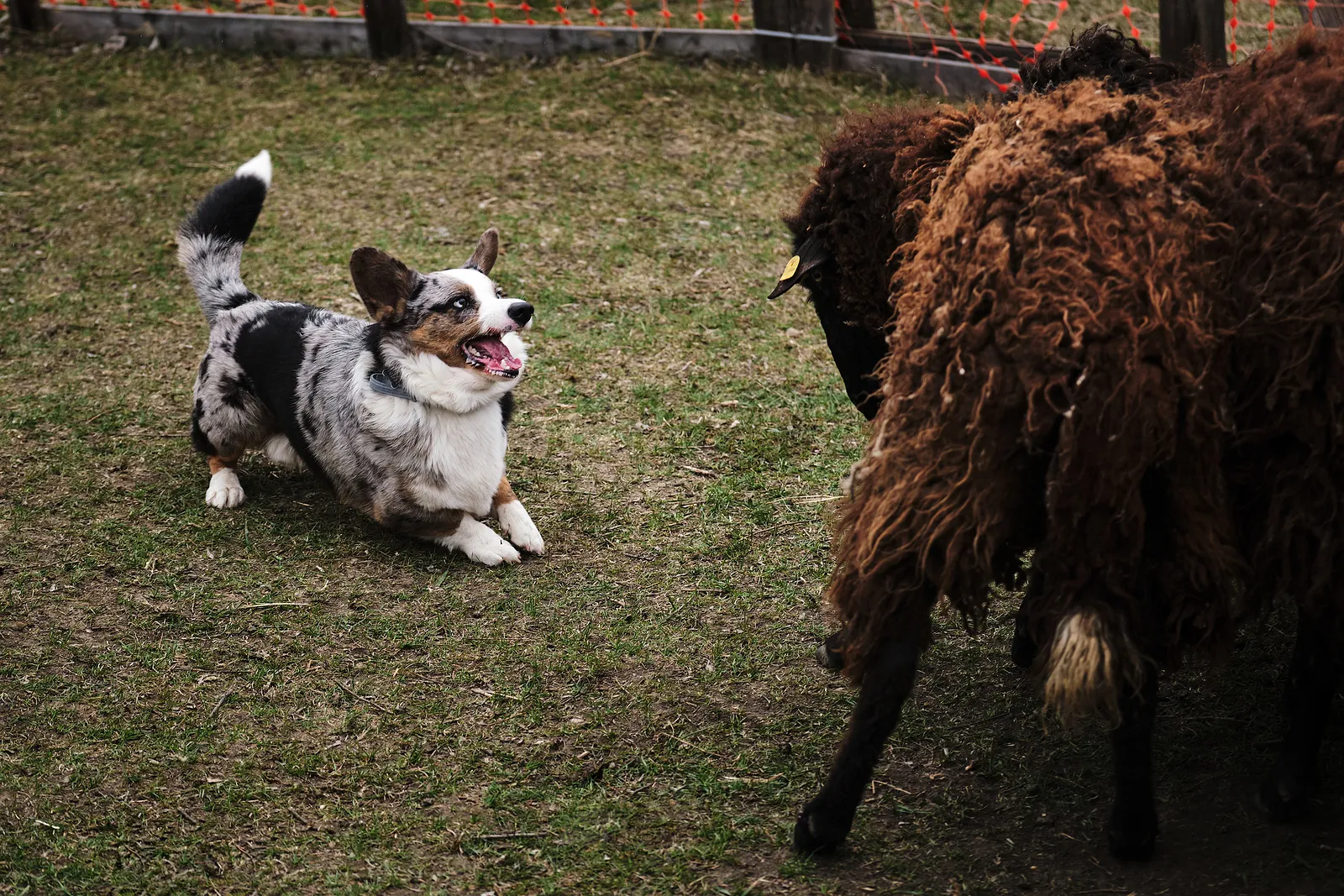
Reconnect your Corgi with the job it was born to do — learn, train, and enjoy the rewards of working together.
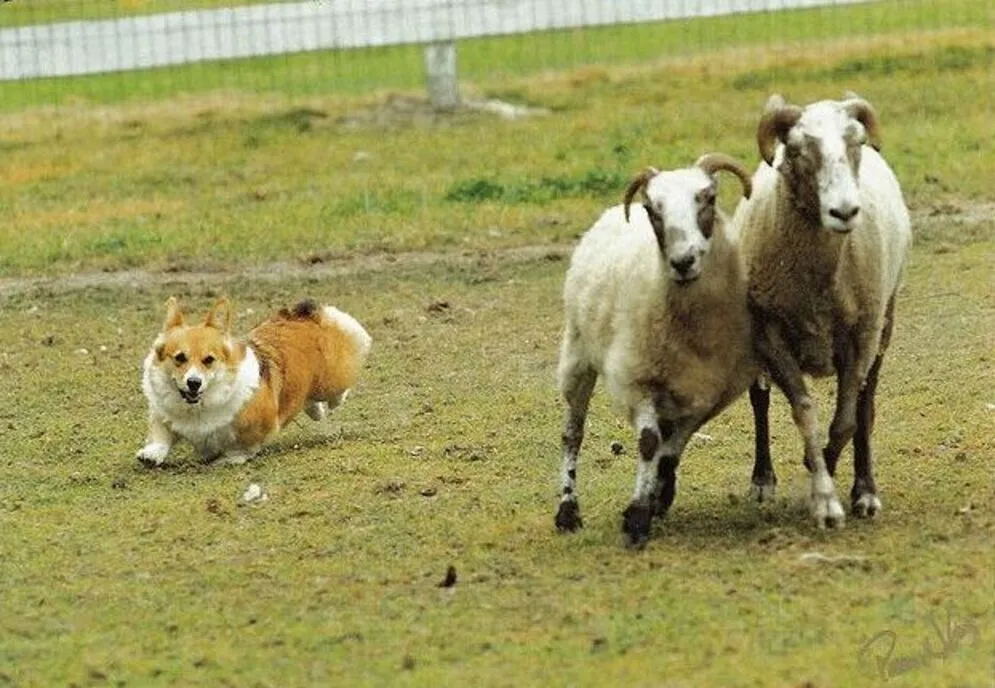
Herding is social, great exercise, and an excellent way to deepen the partnership between you and your Corgi. Watching a dog perform the farm tasks their ancestors did — directing sheep, cattle and other stock — is hugely satisfying. Herding is complex to learn, but the rewards in teamwork and skill are well worth the effort.
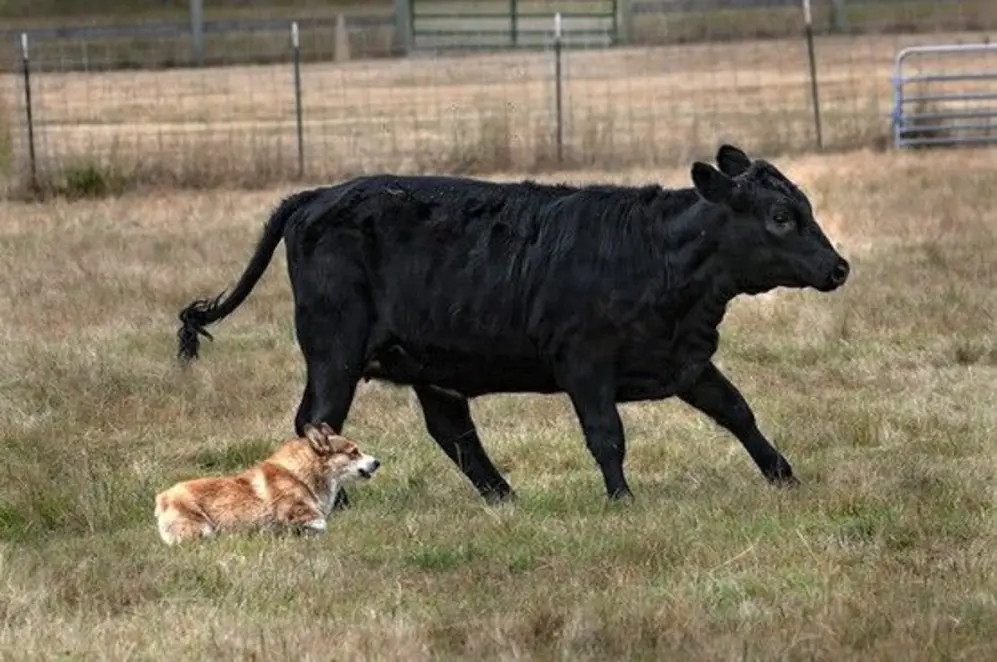
Both Cardigan and Pembroke Welsh Corgis were bred as working heelers — compact, low-to-the-ground dogs that were fearless and quick enough to move livestock by nipping at heels or guiding stock from behind. Historically in Wales they were used with cattle and sheep, and records also show drovers using similar small breeds when moving geese and other birds. That herding instinct remains strong in many modern Corgis and can be channelled safely through training.
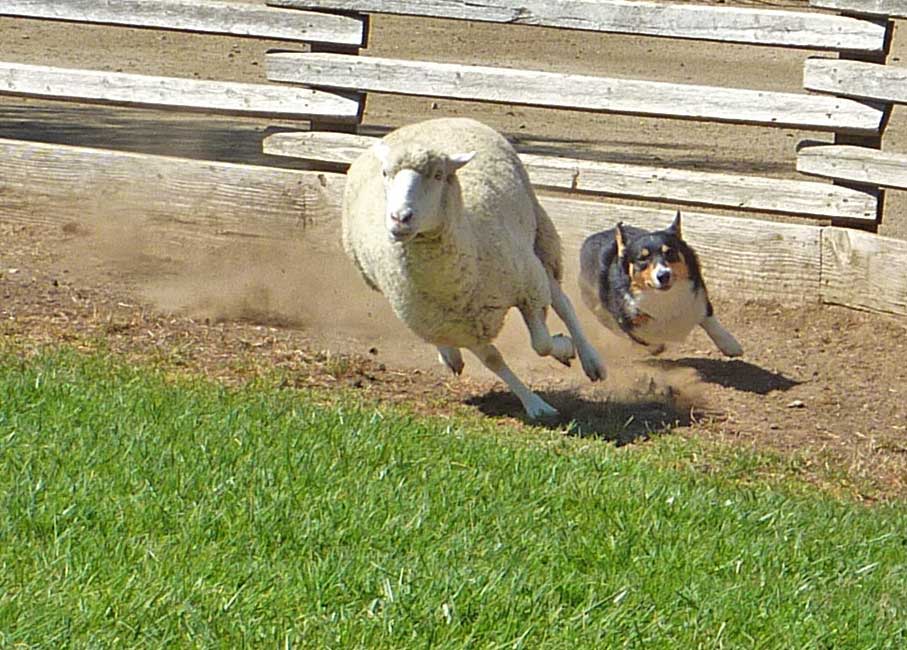
Dogs Australia (via Dogs NSW) runs recognised herding pathways that let owners test and develop their dog’s instincts in a controlled way: from introductory instinct tests to progressively harder herding trials. These events measure a dog’s interest, balance, response to stock and handler control — and provide a clear, structured progression for handlers and dogs.
Typical progression
Instinct Tests: A controlled, low-pressure introduction to stock to assess natural ability.
Herding Tests: Simple exercises that build basic control and understanding of stock movement.
Herding Trials: Formal competitions with structured tasks (fetching, driving, pen work) and graded levels.
Begin with a clinic or training day run by accredited herding instructors. Start on calm stock (usually sheep) in a secure pen and progress as your dog shows confidence and control. Expect a learning curve — even well-trained pet dogs may need time to “free up” and learn to read livestock and handler cues.
Stock welfare and dog safety are top priorities. Good herding programs emphasise sensible pacing, minimal pressure, and instruction on flight zones, pressure/release, and safe positioning. Always ensure your dog is physically fit, vaccinated, and healthy before working on stock, and follow your trainer’s guidance carefully.
Built for the job: Low stature helps them avoid kicks while working from behind.
Smart and bold: Quick decision-makers who respond well to training.
Versatile: Many Corgis enjoy both traditional herding and modern dog sports, giving great mental and physical enrichment.
Start by contacting Dogs NSW or the NSW Herding Association (Facebook) for upcoming clinics and trial dates.
Where is the training?
Herding training is held regularly at Dogs NSW Orchard Hills:
Saturdays with the NSW Herding Association – email: dogsnswha@gmail.com
Sundays with the Australian Stock Dog Club – email: australianstockdogclubnsw@gmail.com
Please note: training breaks over summer, with no sessions held from the first Saturday in December until the first weekend in March, due to the heat.

 For full rules and regulations, please see the Dogs NSW website.